
DeWalt DCD800 vs DCD805: Which Drill Should You Buy in 2026?
Compare the DeWalt DCD800 drill-driver and DCD805 hammer drill by modes, size, speed, capacity, package contents, and homeowner use.
Affiliate disclosure: We may earn a commission on purchases made through links in this article, at no extra cost to you. Learn more.
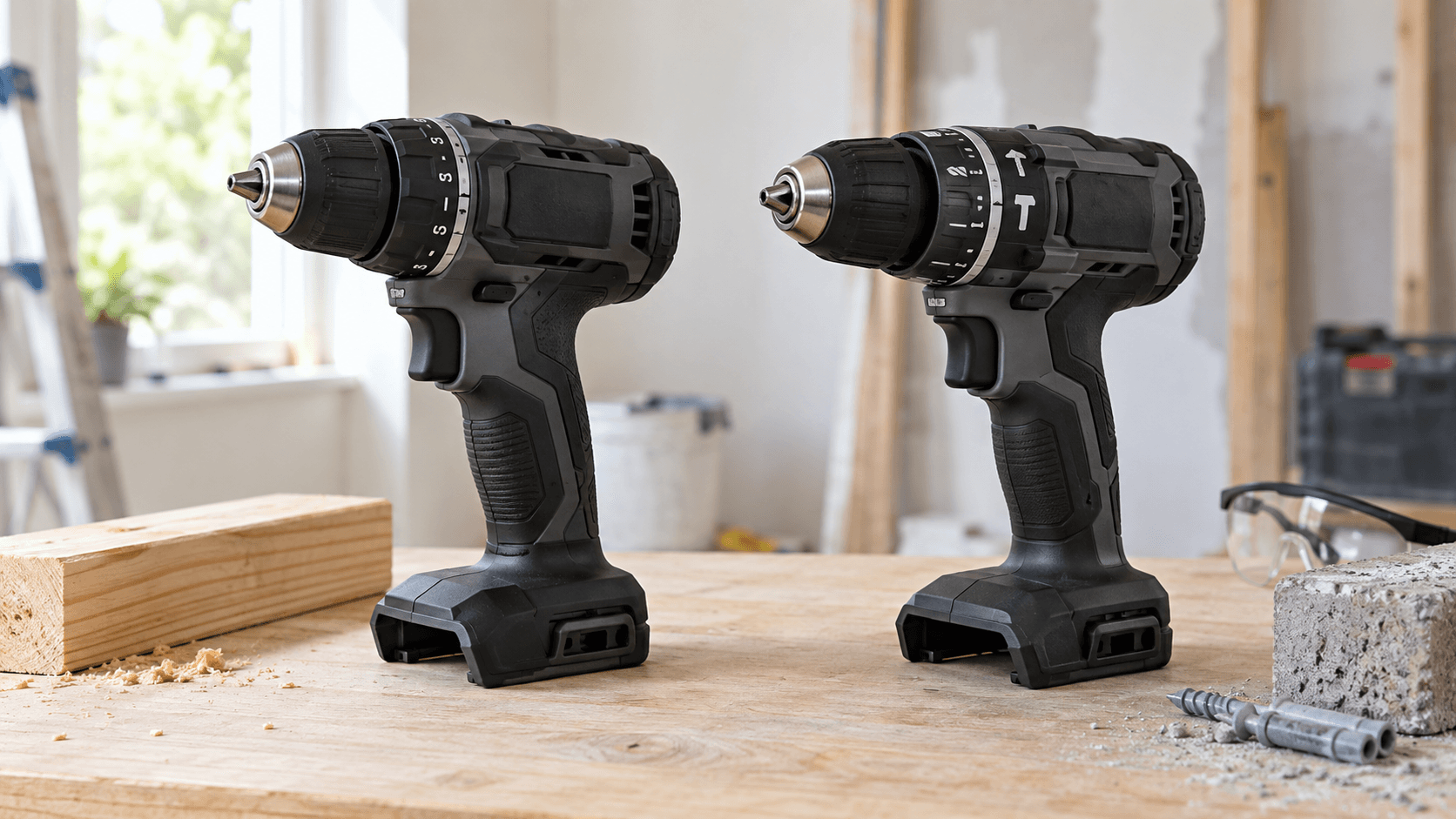
The DeWalt DCD800 and DCD805 are closely related 20V Max XR drills. The decision is simpler than their near-identical appearance suggests: the DCD800 is a drill-driver, while the DCD805 adds a hammer-drilling mode for masonry.
This comparison uses current manufacturer pages and the shared DeWalt manual. It does not claim site-owned runtime, speed, or durability testing.
DCD800 vs DCD805 at a glance
| Feature | DCD800B | DCD805B | | --------------------------------- | --------------------- | --------------------- | | Primary type | Drill-driver | Hammer drill-driver | | Motor | Brushless | Brushless | | Chuck | 1/2" metal ratcheting | 1/2" metal ratcheting | | Gears | 2 | 2 | | No-load speed | 0–650 / 0–2,000 RPM | 0–650 / 0–2,000 RPM | | Hammer mode | No | Yes | | Masonry capacity in shared manual | Not listed | 1/4" carbide | | Tool-only package | Drill and belt hook | Drill and belt hook |
The short answer
Choose the DCD800 when your work is mainly drilling wood and metal, driving screws, assembling cabinets, and handling ordinary renovation tasks. Choose the DCD805 when you expect to make small anchor holes in brick, block, or concrete and want that capability in the same tool.
What they share
Both tools use DeWalt's 20V Max battery platform, a brushless motor, two-speed transmission, variable trigger, 15 clutch positions, and 1/2-inch metal ratcheting chuck. DeWalt publishes up to 2,000 RPM for the DCD800, and the shared manual identifies 0–650 and 0–2,000 RPM ranges for the pair.
The adjustable LED is more than a small lamp above the trigger. It pivots through three physical positions and includes on, off, and spotlight settings; spotlight mode has a 20-minute shutoff. Both also accept the optional Tool Connect chip in the provided pocket.
Their shared manual lists the same maximum recommended capacities in wood and metal: 1-1/2-inch auger and paddle bits, a 2-9/16-inch self-feed bit, a three-inch hole saw in wood, and a 1/2-inch twist bit in metal. Those are maximum manufacturer recommendations, not promises that every battery, bit, material, or operator will produce the same result.
Why choose the DCD800?
The DCD800 eliminates a mode that many homeowners never use. Its collar is easier to understand at a glance, and its documented 6.37-inch head length suits cabinet interiors, framing bays, and other restricted spaces. DeWalt lists 45.12 ounces for the bare tool.
It is the more focused choice if masonry anchors are handled with another tool or simply do not appear in your plans.
Pros
- Simpler drill/drive controls
- 6.37-inch published length
- Two speeds and metal chuck
- Same documented wood and metal capacities as DCD805
Cons
- No hammer mode
- Battery and charger excluded from DCD800B
- High-capacity drilling still demands proper auxiliary support and technique
Why choose the DCD805?
The DCD805 adds axial impacts while the bit rotates. With an appropriate carbide masonry bit, this helps drill small holes for anchors in materials such as brick and block. The shared manual lists a 1/4-inch carbide masonry capacity.
That extra mode makes sense for mounting exterior fixtures, attaching light hardware to masonry, or completing mixed-material renovation work. It does not make the tool automatically better for wood screws, nor does it replace an impact driver for repetitive fastening.
Pros
- Adds hammer mode
- Retains two-speed drilling and clutch
- Shared LED and chuck features
- One-tool option for occasional small masonry holes
Cons
- Extra mode is wasted if you never drill masonry
- DCD805B is tool-only
- Not a substitute for a rotary hammer on demanding concrete work
Which one fits your projects?
- Furniture, cabinets, pilot holes, and ordinary repairs: DCD800.
- The same work plus occasional masonry anchors: DCD805.
- Large or repeated concrete holes: consider a rotary hammer instead of choosing solely between these two.
- Mostly long screws and structural fasteners: pair either drill with an impact driver rather than forcing one tool to cover every fastening task.
If this is your first drill, read how to choose a cordless drill and hammer drill vs regular drill before selecting a kit.
Package and battery checks
The B models are bare tools. DeWalt also sells kit configurations with different batteries, chargers, and cases. Compare the full suffix, not only “DCD800” or “DCD805.” Battery size changes balance and total working weight, while promotional bundles can change independently of the underlying tool.
Verdict
The DCD800 is the default homeowner recommendation because it covers common drilling and driving without an unnecessary mode. Buy the DCD805 when you can name the masonry projects that justify it. The choice is about application coverage, not a claim that one is universally higher quality.
Manufacturer sources
Frequently Asked Questions
Can the DCD800 drill into concrete?
Do the DCD800B and DCD805B include a battery?
Is the DCD805 more powerful than the DCD800?
About the author
Jane DIY
— Senior Reviews EditorJane DIY is the Senior Reviews Editor for DIY Tool Guide. Her byline identifies articles she reviews for clarity, sourcing, and practical usefulness.
More from Tool Reviews & Comparisons
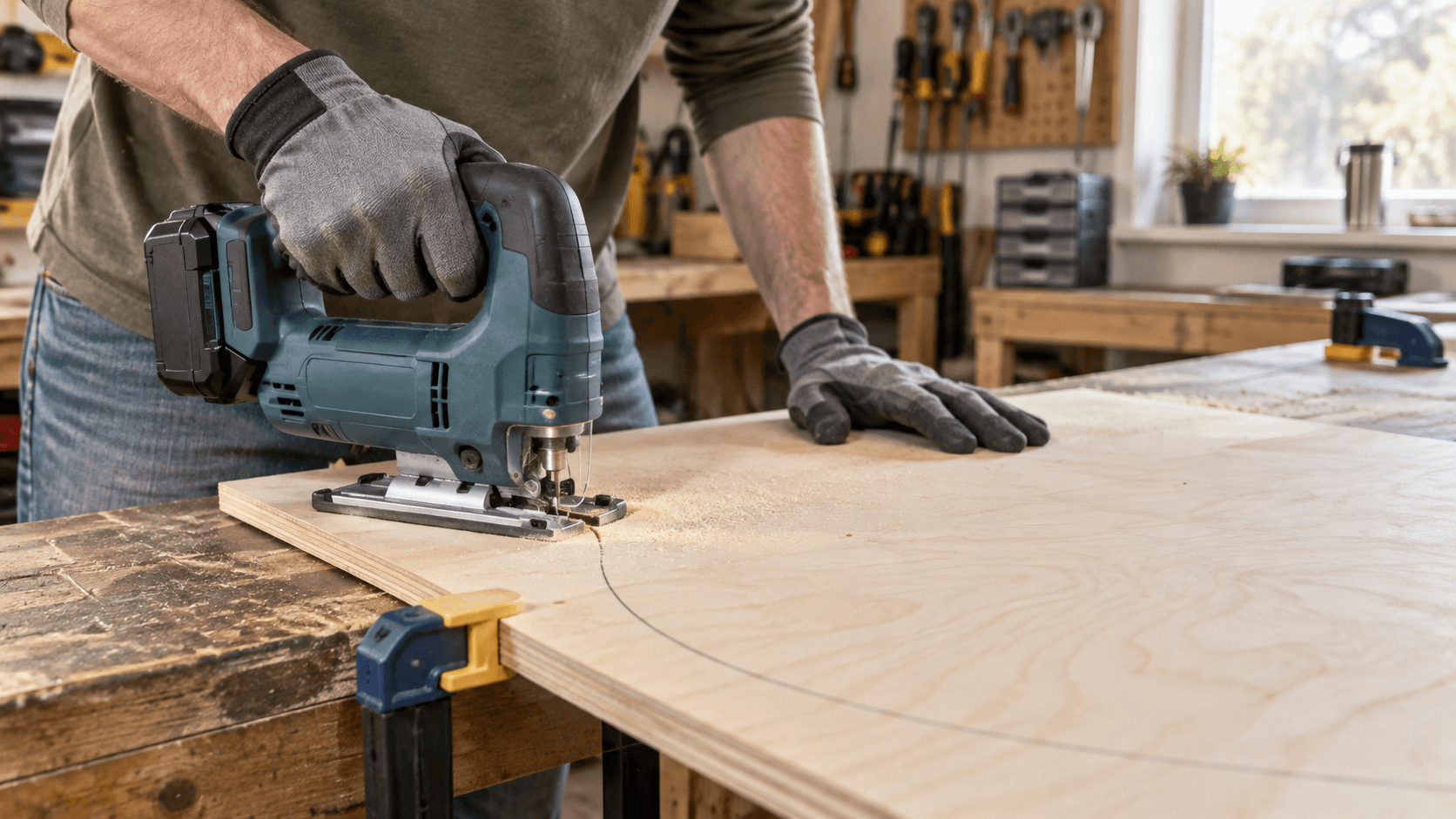
5 Best Cordless Jigsaws for Homeowners in 2026
Compare five current cordless jigsaws by handle style, speed control, cutting capacity, battery platform, and homeowner use case.
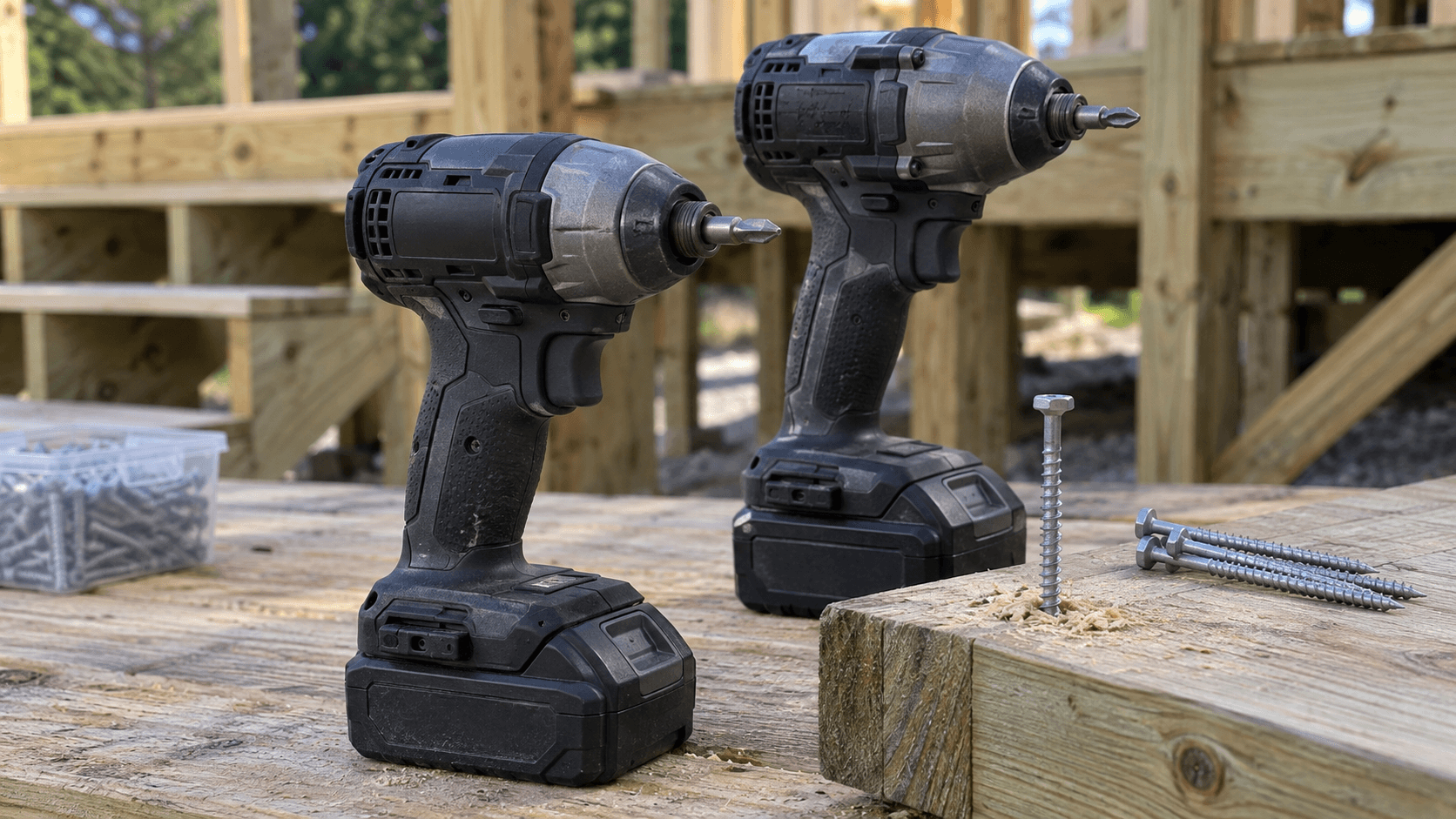
DeWalt DCF850 vs DCF860: Compact or High-Torque Impact Driver?
Compare DeWalt's compact DCF850 and high-torque DCF860 impact drivers by size, speed, torque, controls, lighting, and homeowner use.
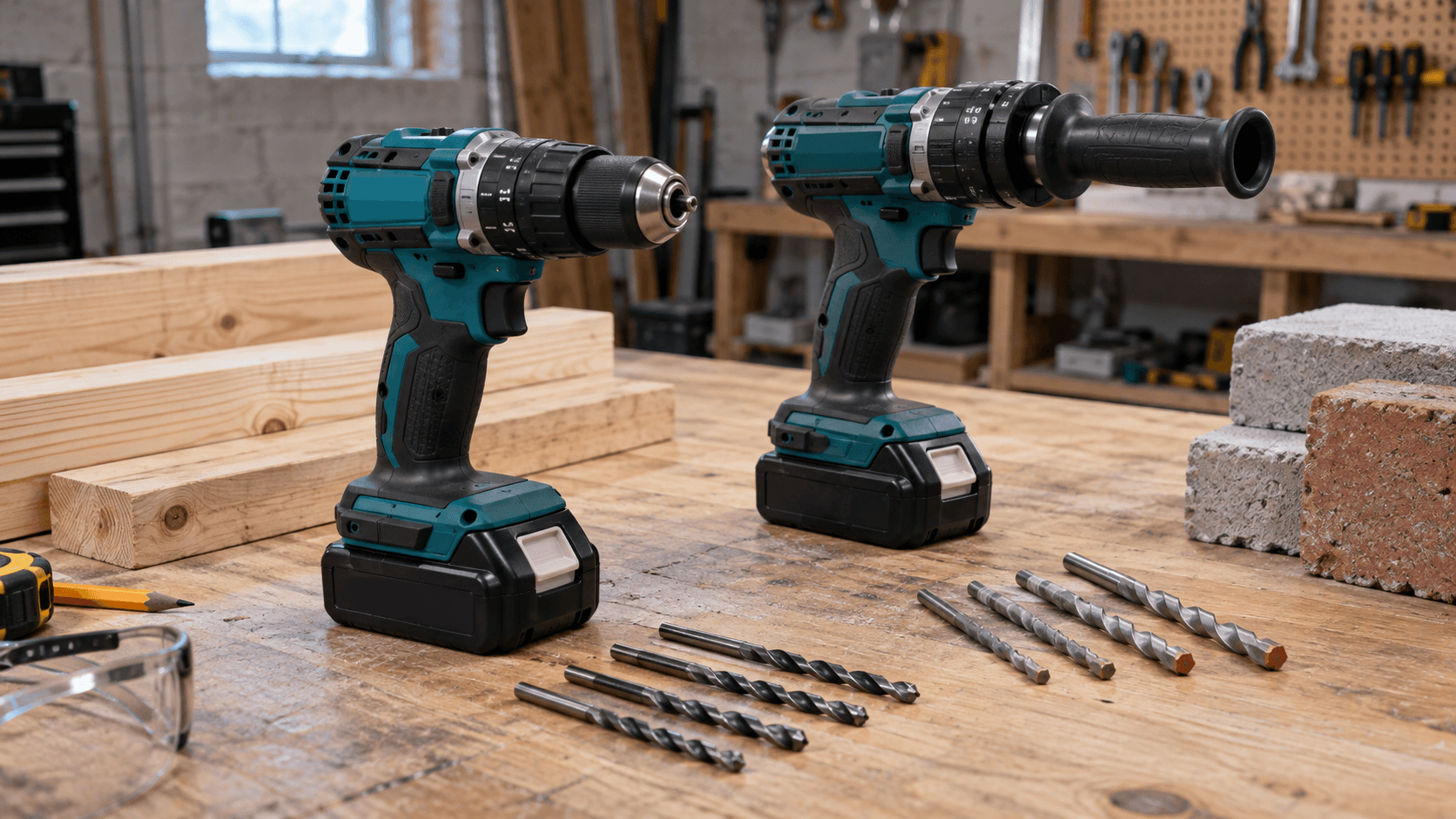
Makita XFD14 vs XPH14: Which 18V LXT Drill Should You Buy?
Compare Makita's XFD14 drill-driver and XPH14 hammer drill by torque, speed, weight, masonry capability, and package configuration.