
DeWalt DCF850 vs DCF860: Compact or High-Torque Impact Driver?
Compare DeWalt's compact DCF850 and high-torque DCF860 impact drivers by size, speed, torque, controls, lighting, and homeowner use.
Affiliate disclosure: We may earn a commission on purchases made through links in this article, at no extra cost to you. Learn more.
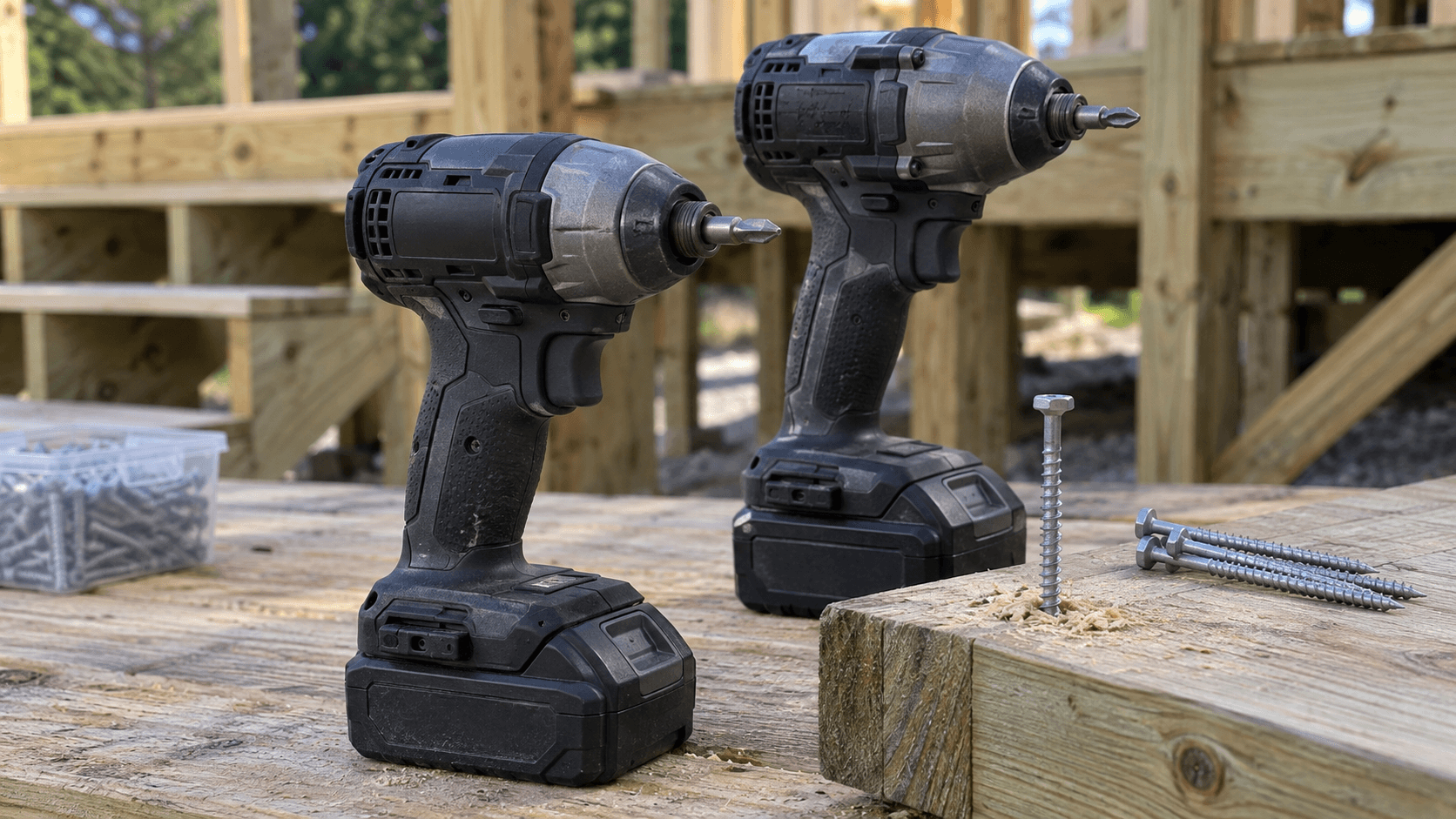
The DeWalt DCF850 and DCF860 solve different impact-driver problems. The Atomic DCF850 is built around a head shorter than four inches. The XR DCF860 raises the published maximum to 2,500 in-lb and 3,800 RPM. One emphasizes access; the other emphasizes output.
Side-by-side specifications
| Feature | DCF850B | DCF860B | | ------------------------ | ---------------------: | -------------------------------: | | Product line | Atomic 20V Max | XR 20V Max | | Maximum published torque | 1,825 in-lb | 2,500 in-lb | | Maximum no-load speed | 3,250 RPM | 3,800 RPM | | Selectable modes | 3 | 3 | | Work lights | 3 LEDs | 9 LEDs with 20-minute light mode | | Chuck | 1/4" quick-connect hex | 1/4" quick-connect hex | | Battery in B package | No | No |
These are manufacturer ratings, not cross-checked independent performance measurements. Torque test methods and battery conditions matter.
Choose the DCF850 for confined work
DeWalt describes the DCF850 as under four inches from front to back. That short head can matter inside cabinets, between framing members, and around installed hardware. Its 1,825 in-lb rating and 3,250 RPM maximum are already substantial for typical homeowner fastening.
Three speed settings provide more control than a single high-output mode, while the three-LED ring reduces shadows near the bit. Compact does not mean gentle: use the lowest suitable mode and stop before an impact driver strips a small screw or crushes soft material.
Pros
- Sub-four-inch head
- 1,825 in-lb published torque
- Three modes
- Three-LED work light
Cons
- Lower maximum ratings than DCF860
- B package excludes battery and charger
- Impact action can damage small fasteners if poorly controlled
Choose the DCF860 for demanding fasteners
The DCF860 publishes 2,500 in-lb maximum torque and up to 3,800 RPM. DeWalt positions speed modes one and two around common self-drilling and tapping screw installation speeds, with the important instruction to follow the fastener manufacturer's requirements.
Nine LEDs and a 20-minute work-light setting improve illumination around the fastener. The stronger case is long structural screws, repeated demanding fastening, and buyers who can put the extra output to work—not a desire to own the largest number.
Pros
- 2,500 in-lb published maximum
- Up to 3,800 RPM
- Three selectable modes
- Nine LEDs and extended light mode
Cons
- More output than delicate fastening needs
- Less access-focused than DCF850
- Tool-only package requires a battery and charger
Control matters more than the maximum number
An impact driver applies repeated rotational impacts. This makes long screws easier to drive than with many drill-drivers, but it also reduces the feedback available before a small fastener strips or snaps. Start in a lower mode, keep the bit aligned, and use impact-rated bits in good condition.
Neither tool replaces an impact wrench for automotive sockets, nor is either the ideal substitute for a drill-driver when a round-shank bit or adjustable clutch is needed. Read impact driver vs drill if you are choosing your first powered fastening tool.
Battery and package considerations
Both tools use DeWalt 20V Max batteries. The bare-tool B packages include the impact driver and belt hook but not the battery or charger. Battery size changes grip balance, access, and working weight. Compare complete kit suffixes rather than assuming two listings with the same tool number contain the same equipment.
Verdict
The DCF850 is the better default for homeowners who value compact access and already have enough output for ordinary screws and renovation hardware. The DCF860 fits repeated structural fastening and buyers who can justify its higher published output. Choose by the hardest recurring job, not by torque alone.
For additional context, see how much impact-driver torque you need and do you need an impact driver?.
Manufacturer sources
Frequently Asked Questions
Is the DCF860 better than the DCF850?
Can either impact driver drill holes?
Do the DCF850B and DCF860B include batteries?
About the author
Jane DIY
— Senior Reviews EditorJane DIY is the Senior Reviews Editor for DIY Tool Guide. Her byline identifies articles she reviews for clarity, sourcing, and practical usefulness.
More from Tool Reviews & Comparisons
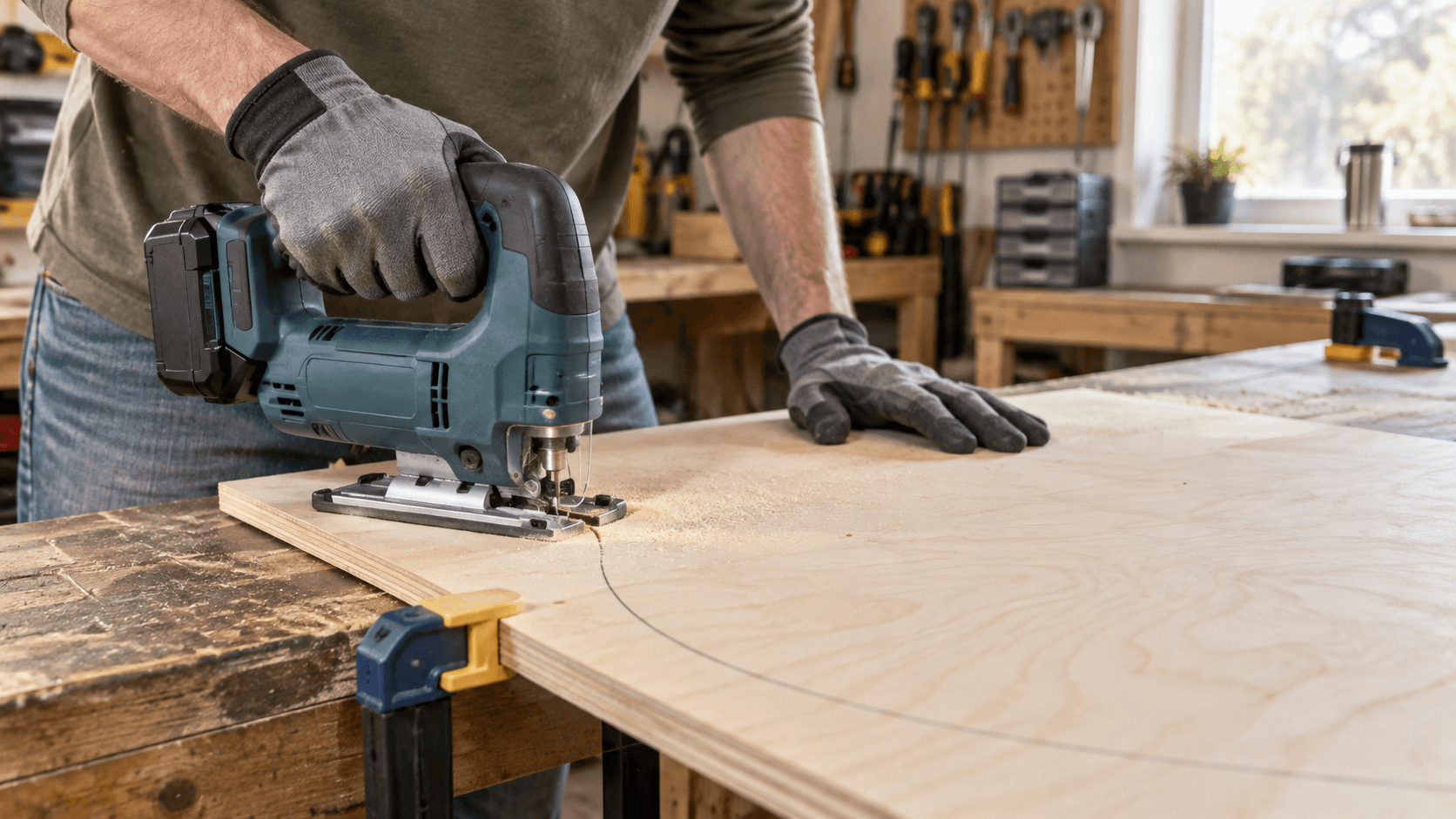
5 Best Cordless Jigsaws for Homeowners in 2026
Compare five current cordless jigsaws by handle style, speed control, cutting capacity, battery platform, and homeowner use case.
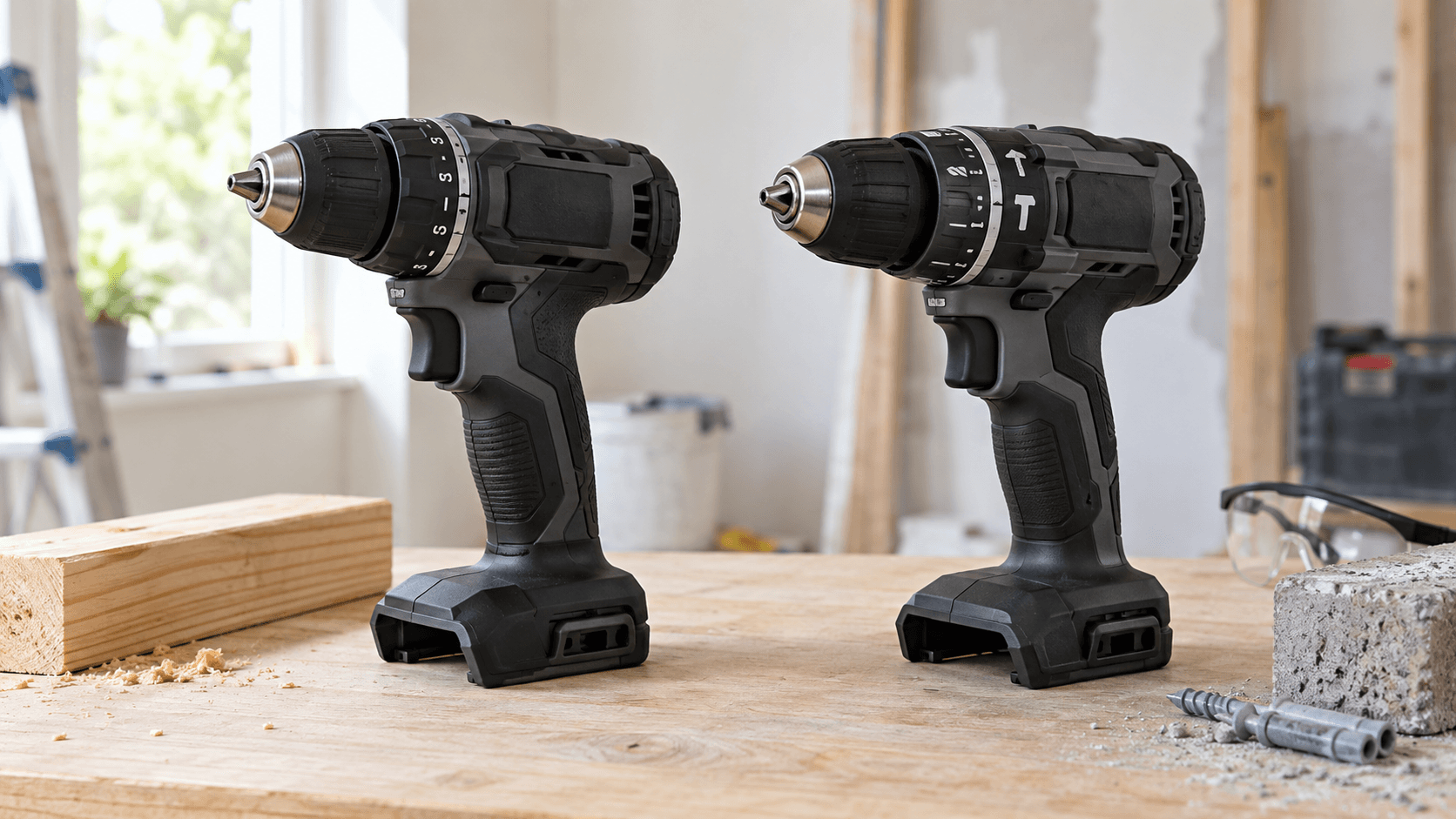
DeWalt DCD800 vs DCD805: Which Drill Should You Buy in 2026?
Compare the DeWalt DCD800 drill-driver and DCD805 hammer drill by modes, size, speed, capacity, package contents, and homeowner use.
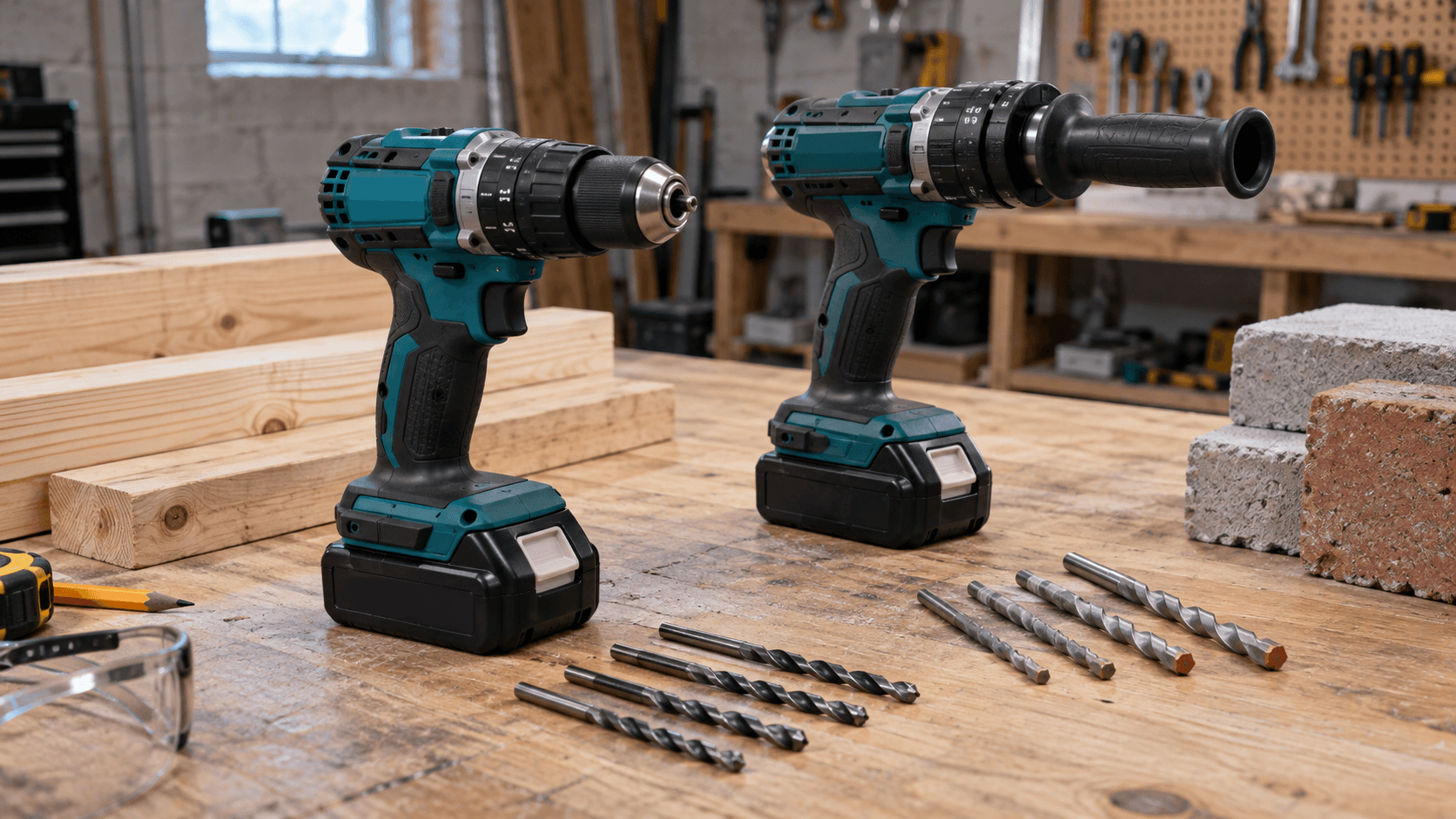
Makita XFD14 vs XPH14: Which 18V LXT Drill Should You Buy?
Compare Makita's XFD14 drill-driver and XPH14 hammer drill by torque, speed, weight, masonry capability, and package configuration.