
Drill or Impact Driver for Each Job? A Practical 2026 Guide
Choose a drill or impact driver for holes, furniture, deck screws, masonry, and other home projects by matching the tool and accessory to the task.
Affiliate disclosure: We may earn a commission on purchases made through links in this article, at no extra cost to you. Learn more.
The useful version of “drill vs impact driver” is not a contest over which tool is stronger. It is a task-assignment question: which tool holder, control system, and accessory match the next hole or fastener?
A drill/driver is normally the default for general hole-making and controlled household fastening. An impact driver becomes useful for repeated or demanding fastening with compatible 1/4-inch hex accessories. There are exceptions in both directions, so this guide starts with the job rather than a universal buying verdict.
This article does not report hands-on testing. Recommendations are based on current manufacturer specifications, manuals, and accessory compatibility information linked in the sources.
Quick task-to-tool matrix
| Job | Better starting point | What to verify | | ---------------------------------------------------- | --------------------------------------- | -------------------------------------------------------------------------- | | Pilot holes in wood | Drill/driver | Bit size, chuck capacity, speed, and required pilot diameter | | Ordinary holes in wood or metal | Drill/driver | Material-specific bit, speed, lubricant where specified, and tool capacity | | Furniture and cabinet hardware | Hand screwdriver or drill/driver | Assembly instructions, correct bit, and a conservative clutch setting | | Repeated deck or fence screws | Impact driver often makes sense | Fastener approval, pilot-hole rules, impact-rated bit, and drive mode | | Large or structural wood screws | Project-specific | Fastener manufacturer's installation method and tool limits | | Thin-material holes with a specialty impact hole saw | Impact driver can be valid | Exact hole-saw material/thickness rating and 1/4-inch hex compatibility | | Brick or concrete holes | Specified hammer drill or rotary hammer | Masonry bit, tool mode, hole diameter/depth, and dust controls | | Mixing paint or compound | Drill specifically rated for the mixer | Mixer diameter, material viscosity, speed, side handle, and drill mode | | Lug nuts or torque-critical bolts | Usually neither | Correct impact wrench/socket and final-torque procedure |
The matrix is a starting point, not permission to exceed a manual. A bit that physically fits can still be wrong for the tool, speed, material, or load.
Start with the tool holder
Most cordless drill/drivers use an adjustable three-jaw chuck. It can grip round or hex shanks within its rated capacity. As a current example, DEWALT lists the DCD800 drill/driver with a 1/2-inch keyless ratcheting chuck, 15 clutch positions, a variable-speed trigger, and two speed ranges. Those specifications explain why a drill is adaptable; they are not universal specifications for every model.
A typical impact driver uses a quick-release 1/4-inch hex collet. DEWALT's current DCF850, for example, has a 1/4-inch hex quick-release chuck and three selectable speed settings. Its manual says the holder accepts compatible 1/4-inch hex accessories and warns users to use impact accessories rather than assuming any bit that fits is safe.
That distinction answers many job questions:
- Choose the drill when you already have a conventional round-shank twist bit, brad-point bit, Forstner bit, or another accessory within the drill's stated capacity.
- Choose the impact driver only when the accessory has the correct 1/4-inch hex interface and is approved for impact use.
- Do not improvise with a loose adapter stack merely to make one tool imitate another. Each adapter adds another compatibility and retention check.
Use a drill for controlled household fastening
For hinges, cabinet pulls, curtain brackets, switch plates, and many furniture screws, control matters more than headline torque. A drill/driver's numbered clutch can limit how much resistance it applies in a fastening setting. Start low, test on scrap or an inconspicuous fastener when appropriate, and increase only as needed.
The clutch is not an automatic depth stop. Bit fit, trigger control, material, and pilot-hole preparation still matter. When a product's assembly instructions specify hand tools only, follow them; a power tool can damage a small screw, plastic fitting, or threaded insert before the user reacts.
Some impact drivers offer useful low-speed or precision modes, so “impact drivers have no control” is too broad. The DCF850 manual, for example, describes a Precision Drive mode for light screwdriving. That feature does not turn it into a clutch-equipped drill or guarantee that delicate hardware cannot be overdriven.
Use an impact driver for suitable repeated fastening
An impact driver rotates normally at lighter load and adds repeated rotational impacts as resistance rises. That mechanism is intended for fastening, but it does not guarantee faster work, prevent cam-out, or eliminate reaction and pinch hazards in every material.
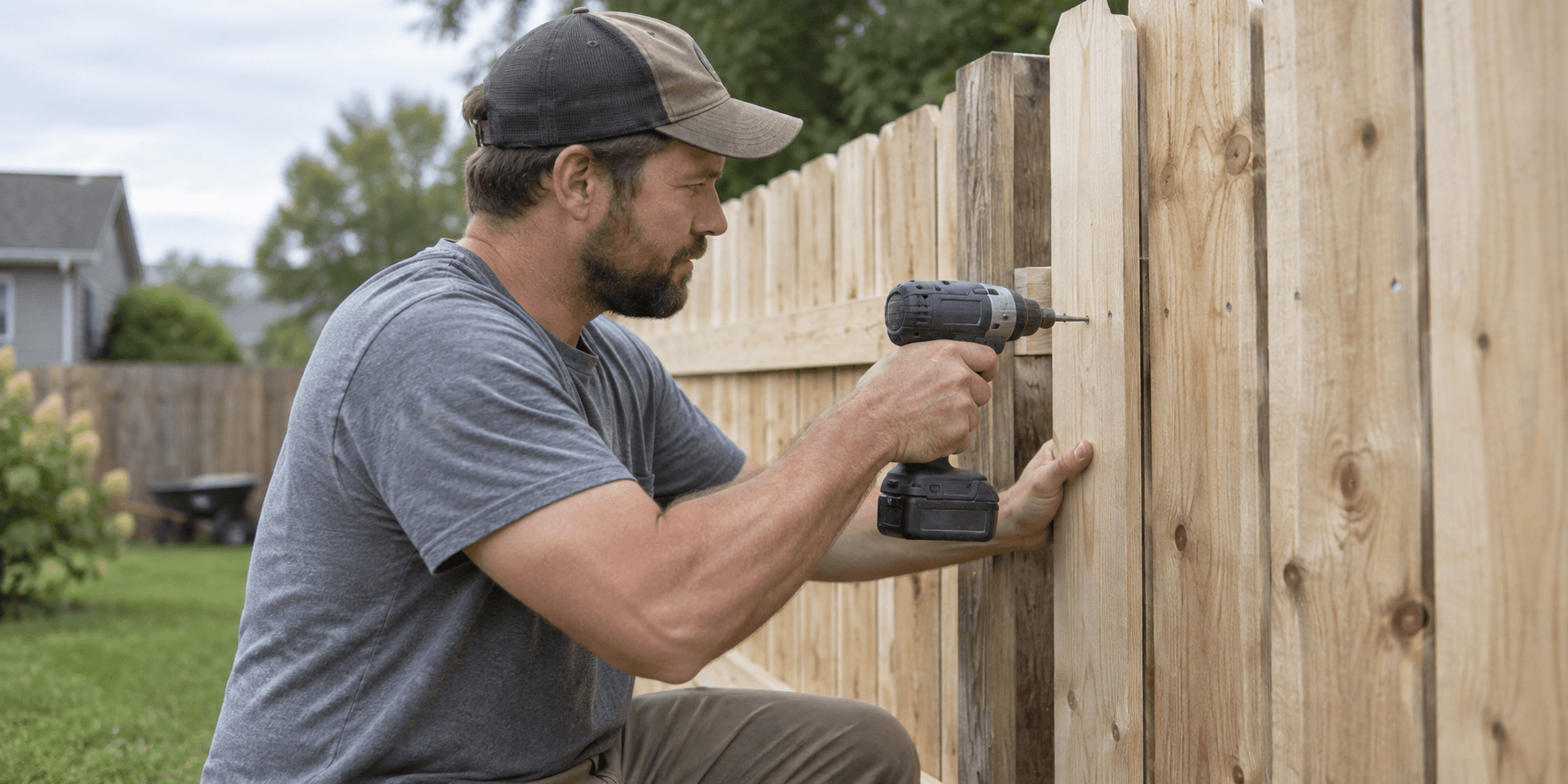
It is a sensible candidate when a fence, deck repair, utility shelf, or similar project involves many compatible construction screws. Before starting, verify:
- The fastener is approved for the material and application.
- The manufacturer permits an impact driver or does not prohibit it.
- The bit is the correct profile and is rated for impact use.
- Any pilot or clearance hole is the specified diameter and depth.
- The selected speed or assist mode suits the fastener.
- The head stops at the required depth without crushing the workpiece.
Screw length alone is not a rule. A short, wide fastener in dense lumber can be more demanding than a longer narrow screw in softwood. Diameter, thread geometry, material density, knots, bit fit, and hole preparation all change the load.
For pilot holes and ordinary drilling, choose the drill
A drill's adjustable chuck makes it the straightforward tool for pilot holes and general drilling. Match the accessory to the material and stay within the capacities in the tool manual. Large spade bits, augers, and hole saws can bind; use the specified gear, auxiliary handle, and anti-kickback feature where the tool instructions require them.
An impact driver can drill. DEWALT's support guidance explicitly allows compatible impact-ready bits, and impact-rated 1/4-inch hex drill bits are widely available. The tradeoff is that the collet cannot directly clamp an ordinary round shank, and rotational impacts may be undesirable when precise, smooth hole-making is the priority.
This is why “impact drivers damage drill bits” is also too broad. A non-impact accessory may break and should not be used when impacting, but a purpose-built impact accessory is designed for that environment. Inspect any accessory before use and replace it when cracked, bent, rounded, or otherwise damaged.
Can an impact driver use a hole saw?
Sometimes. The old blanket answer “no” is incorrect.
Milwaukee currently sells SHOCKWAVE Impact Duty thin-wall hole saws with 1/4-inch quick-change hex shanks specifically for impact drivers. The manufacturer limits that product family to plastics and thin-gauge metals up to 1/8 inch. That narrow use case does not make every hole saw impact-compatible.
Use the exact hole saw only in the materials, thicknesses, and tools its manufacturer lists. For general wood hole saws, larger diameters, or deep cuts, a drill that meets the accessory's capacity requirements is usually the clearer starting point. If the cutter binds, release the trigger and correct the setup instead of forcing it.
Masonry needs a separate decision
An impact driver's impacts act in the rotational direction. A hammer drill adds a forward-and-back action intended for compatible masonry drilling, while a rotary hammer uses a different mechanism for more demanding concrete work.
There are specialty multi-material bits that their manufacturers approve for several tools, including some impact drivers. That approval belongs to the exact accessory and application; it does not make an ordinary impact driver equivalent to a hammer drill. If your main task is brick or concrete, start with the specified masonry tool and bit. Our impact driver vs hammer drill guide explains that boundary in more detail.
Mixing is a drill job only when the drill is rated for it
Do not put a mixing paddle in an ordinary cordless drill merely because the shank fits. Thick compound and large paddles can impose a heavy sustained load. Check the drill manual and mixer instructions for approved materials, paddle diameter, speed, gear, and handle requirements.
If the setup is approved, mix in the normal rotary drill setting—not hammer mode. Brace the container, begin at low speed, and keep clothing and hands away from the paddle. A dedicated mixer may be the correct tool for viscous material or repeated batches.
Structural screws and final torque
An impact driver can be appropriate for some structural wood screws and connector fasteners, but the fastener documentation controls the decision. Check the required bit, substrate, pilot hole, edge distance, installation depth, and any restrictions on impact tools.
An impact driver is not a calibrated torque wrench. More impacting does not prove that a critical fastener has reached the correct final torque. For anchors, vehicle hardware, or other torque-specified connections, use the installation and verification method named by the hardware manufacturer.
The same caution applies to socket adapters. A 1/4-inch hex-to-square adapter may fit an impact driver, but it does not give the tool the square drive, capacity, or intended role of an impact wrench.
A two-tool workflow can be the real advantage
Owning both tools is most useful when the project repeatedly alternates between operations. Leave the pilot bit in the drill and the driver bit in the impact, then switch tools instead of changing accessories for every fastener. This is a workflow benefit, not evidence that every homeowner needs a two-tool kit.
If you are deciding what to buy first, use the separate impact driver vs drill buying comparison. If you already own a drill and are deciding whether the second tool earns its space, read do you need an impact driver.
Do not assume a combo kit is discounted. Compare exact tool model numbers, battery capacities, charger, warranty, and current total price against separate purchases. Also confirm the tools and batteries belong to the same platform; a shared logo alone is not a compatibility guarantee.
Safety checks before either tool touches the work
- Read the manual for the exact tool, battery, and accessory.
- Wear eye protection; use hearing protection during impact work and whenever the instructions or exposure call for it.
- Check for hidden wiring, plumbing, and other services before drilling or fastening into a wall, floor, or ceiling.
- Clamp or otherwise secure movable work instead of holding it near the rotating accessory.
- Lock the trigger and remove the battery before installing, removing, or inspecting accessories.
- Seat the bit fully and use the correct profile; stop if it slips, deforms, or repeatedly cams out.
- Maintain a stable stance and keep both hands available when the manual calls for an auxiliary handle.
- Release the trigger if a bit binds. Do not keep forcing a stalled accessory.
- Treat bits and fasteners as hot after demanding work.
Bottom line
Use a drill/driver for general holes, conventional round-shank bits, pilot holes, and fastening where clutch control is valuable. Consider an impact driver for repeated or demanding compatible fasteners, especially when its compact hex collet and selectable modes fit the job.
The correct answer can change with the accessory. An impact-rated hex drill bit or specialty hole saw may make an impact driver valid for a narrow drilling task, while a structural screw may require instructions more specific than “use the stronger tool.” Match the tool, holder, accessory, material, and fastener every time.
This page remains excluded from indexing while its search intent is evaluated against the site's primary drill-versus-impact buying comparison. Its practical task matrix is intentionally narrower than that page's purchase-first focus.
Sources
Frequently Asked Questions
Should I use a drill or impact driver for pilot holes?
Can an impact driver use a hole saw?
Which tool is safer for small furniture screws?
Can I use an impact driver for structural screws?
Do I need both a drill and an impact driver?
About the author
Jane DIY
— Senior Reviews EditorJane DIY is the Senior Reviews Editor for DIY Tool Guide. Her byline identifies articles she reviews for clarity, sourcing, and practical usefulness.
More from Power Tools
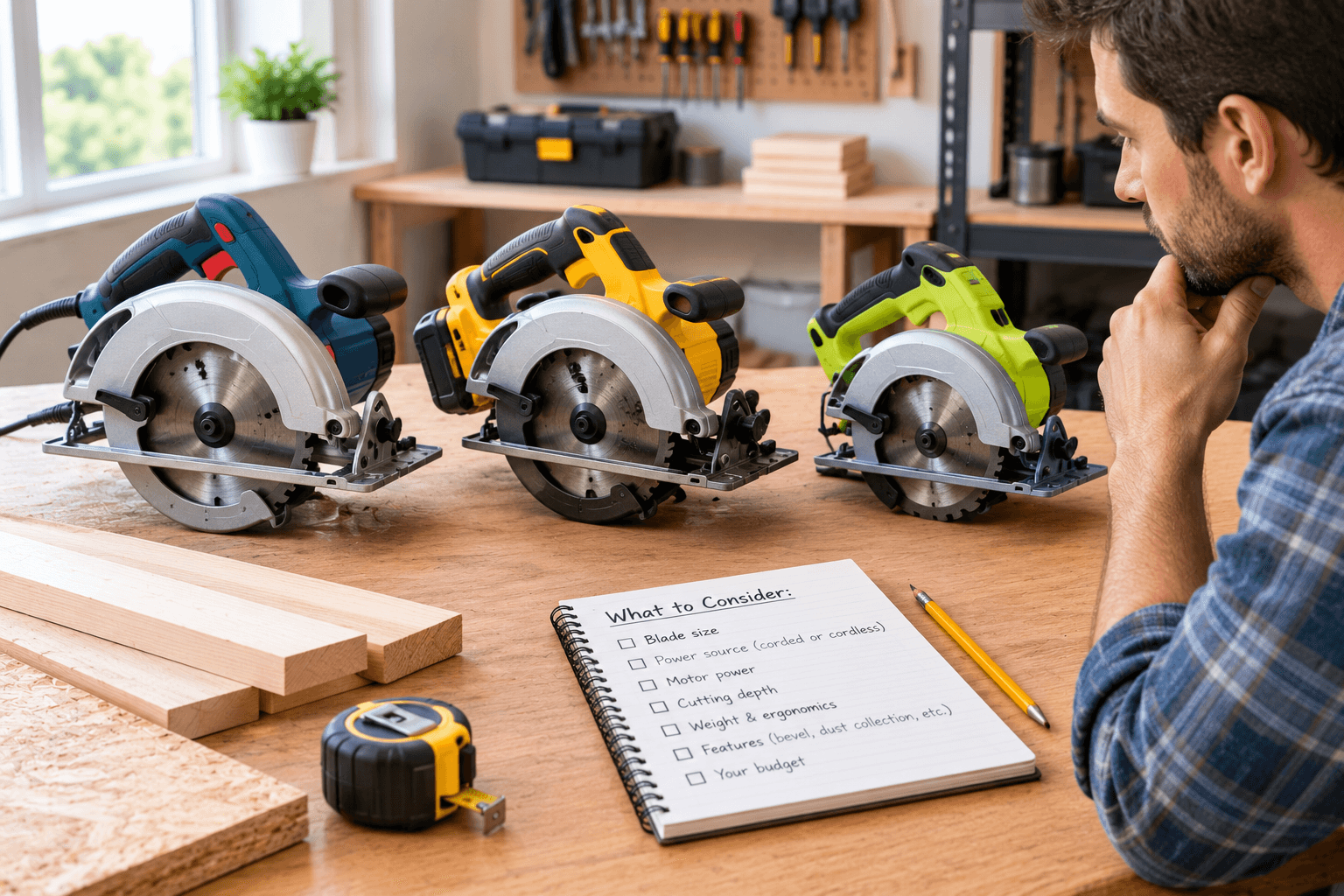
How to Choose a Circular Saw for Home Projects in 2026
Choose a circular saw by material, cut capacity, power source, battery configuration, layout, guide compatibility, dust collection, and safety features.
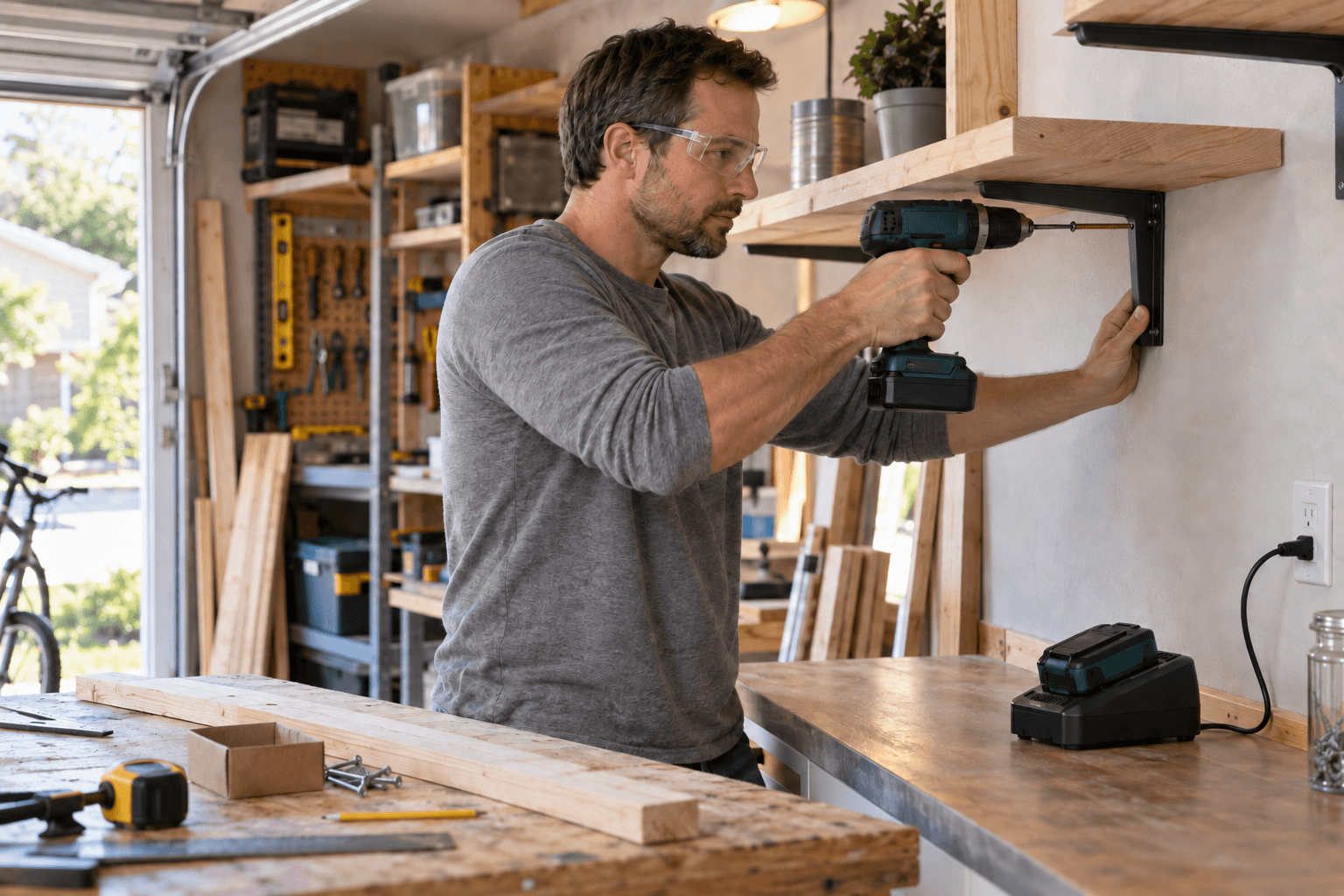
Do You Need a Drill With Two Batteries in 2026?
Decide between one- and two-battery drill kits by comparing workload, charging time, pack size, tool sharing, redundancy, and complete-kit value.
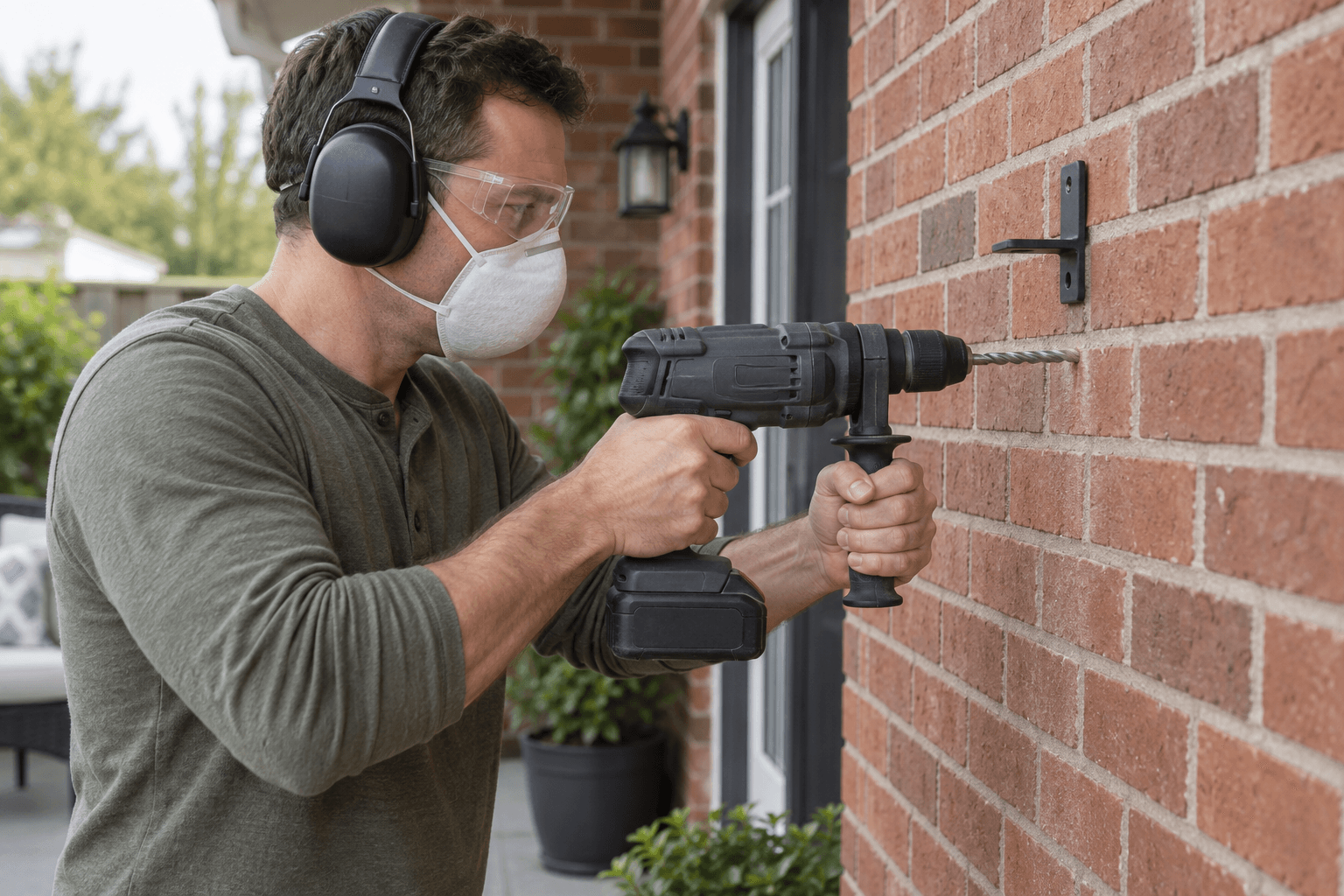
Impact Driver vs Hammer Drill in 2026: Which Tool Do You Need?
Compare impact drivers and hammer drills by motion, chuck, materials, accessories, and real home projects before choosing either tool.